
BUILT-IN ACCESSIBILITY; FUELLED BY RESEARCH
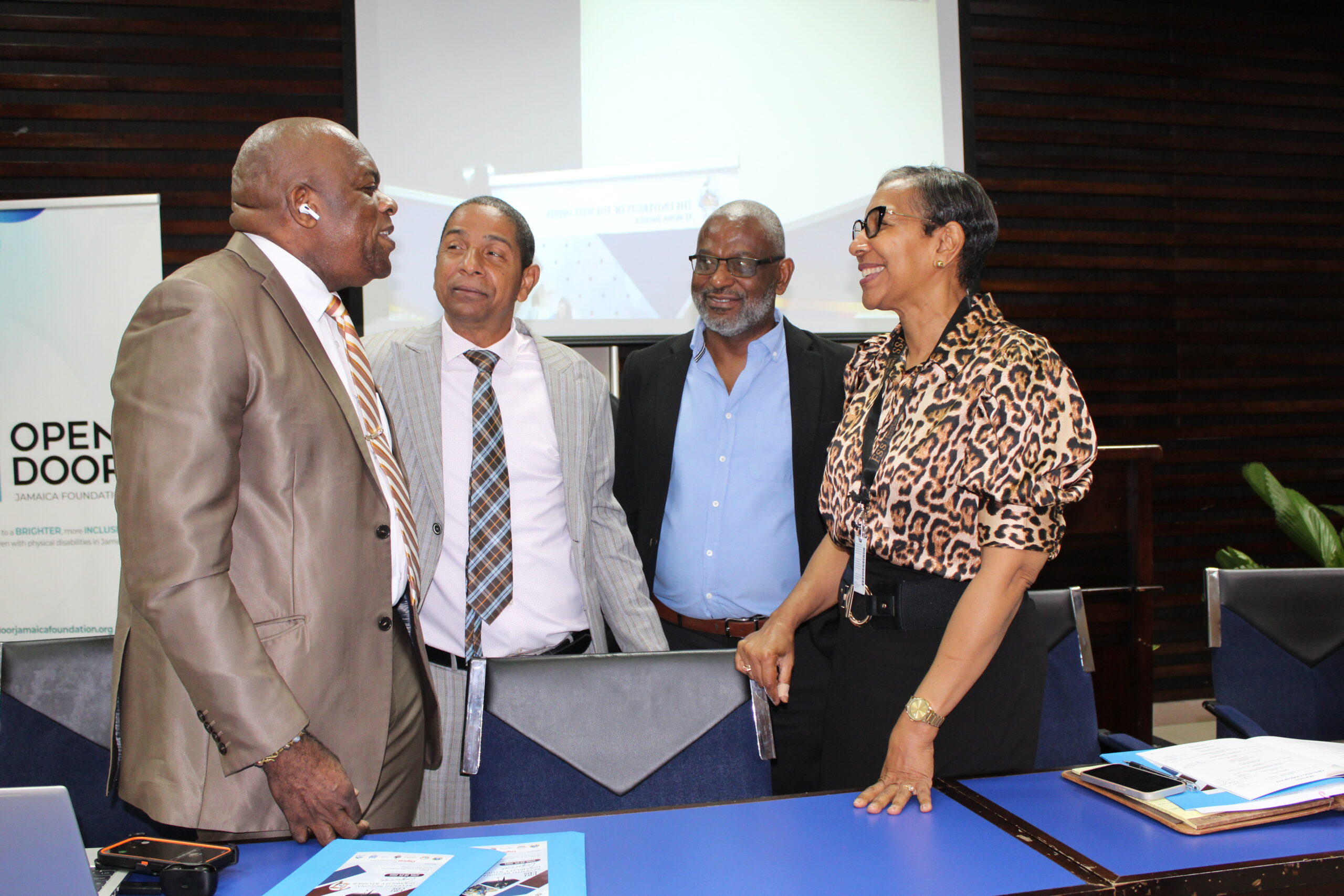
Accessibility is far more than just adding a ramp, it is more than hiring a sign language interpreter for official broadcast, accessibility starts by inviting the people who need it most to the table when policy decisions are being made, true accessibility is mandating inclusion—these were some of the take aways from the this year’s staging of the Seventh Regional Disabilities Conferences that was held at the UWI Law Theatre on Tuesday, April 28, under the theme” Building An Accessible Caribbean for Persons with Disabilities”.
The two-day event convened with an opening ceremony and conversations surrounding inclusion in the built environment.
Minister of State in the Ministry of Local Government and Community Development, Hon. Delroy Williams, during his keynote speech recalled the first time he was instrumental in programme formation for people with disability, this was many years ago when he was invited by Professor Floyd Morris to participate in training the blind to use computers.
He further added that the limitations faced by people with disability is not just a national or regional concern, but a global issue citing that matters surrounding accessibility transcends specific disciplines and must be addressed through the lens of research and coordination in order to fully understand and solve these issues.
“While being mayor of Kingston… I was going through all the myriads of problems confronting cities across the globe I came across a phrase, and it was like “The problem of complexity”… and so I started to delve [into] it because cities do have problems and cities die, just as we die, if those problems are not addressed…In finding solutions, we have to transcend the disciplines, that’s where the coordination is important, that’s where the research is important, that’s where the Centre for Disability Studies is important…”he said.
He also highlighted the significance the Building Act of 2018 which was revised to incorporate International Building Codes and the rights protected under the Disabilities Act 2014. He further spoke to existing infrastructure such as roadways and drainage systems that might hamper movement for persons with disabilities.
“From the infrastructure side of it, the Building Act is critical and incorporating International Building Codes easily into law. Here in Jamaica it is part of advancing and addressing some of the problems we face within the built environment… our drain infrastructure, there are some drains that pose a barrier and serious issues to person with disabilities, our roadways… or just gain access to the sidewalk… that is something that we have addressed in the Building Act, there are still issues to resolve within that, because it is one thing to have the legislation, it is another thing to implement the legislation to make it into practise and that is where we are focused now with respect to built environment,” the Minister added.
Minister Williams went on to note that plans are afoot to increase the number of building and planning officers within the local authorities to ensure that the stipulations in the Building Act surrounding accessibility is adhered to by builders and developers.
In closing, Minister Williams lauded the Centre for Disabilities Studies for the strides they have made in amplifying the voices of the disabled and encouraged members of the community to continue the advocacy and the research as this will help to guide policymakers when making decisions that will impact the disabled community.
“Continue the advocacy, continue the training, but critically,…continue the research because the research is what will guide us as policymakers, and the policy formation process is a robust and rigid process, but it is informed by research,” he said.
Section 3(d) of the Building Act, 2018 stipulates that the National Building Code must facilitate enhanced amenities in general and require the construction of buildings that provide sanitary facilities, ease access and adequate amenities, for members of the public in general and person with disabilities in particular.